



For centuries, the cadaver has been the centerpiece of anatomy education. It has shaped generations of clinicians, informed surgical training, and remained largely unchallenged as the gold standard of medical learning. But in 2026, a quiet crisis is unfolding across anatomy…
The Cost Factor: Comparing the Financial Implications of Digital Cadavers vs. Traditional Labs
This blog post highlights The Cost Factor: Comparing the Financial Implications of Digital Cadavers vs. Traditional Labs
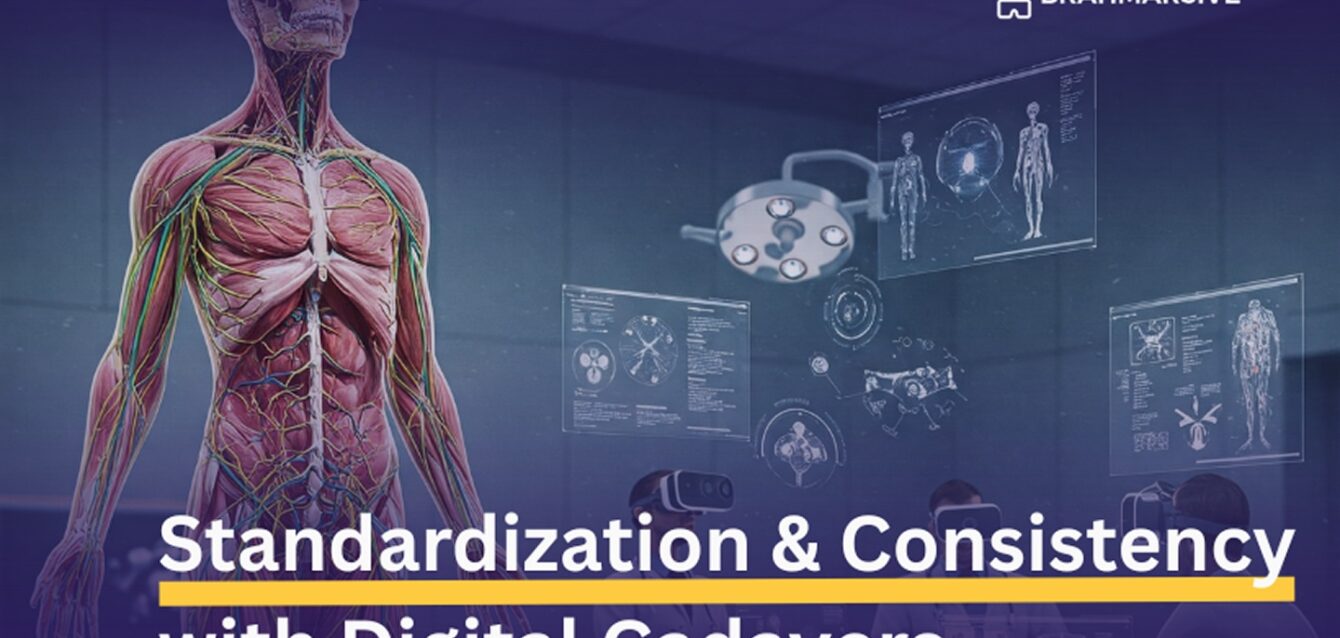
Standardization & Consistency: Ensuring a Strong Foundation with Digital Cadavers
This blog post highlights the importance of Standardization & consistency in Anatomy Education

Is Your Crash Cart a Ticking Time Bomb?
This blog post emphasizes the critical role of crash carts in healthcare
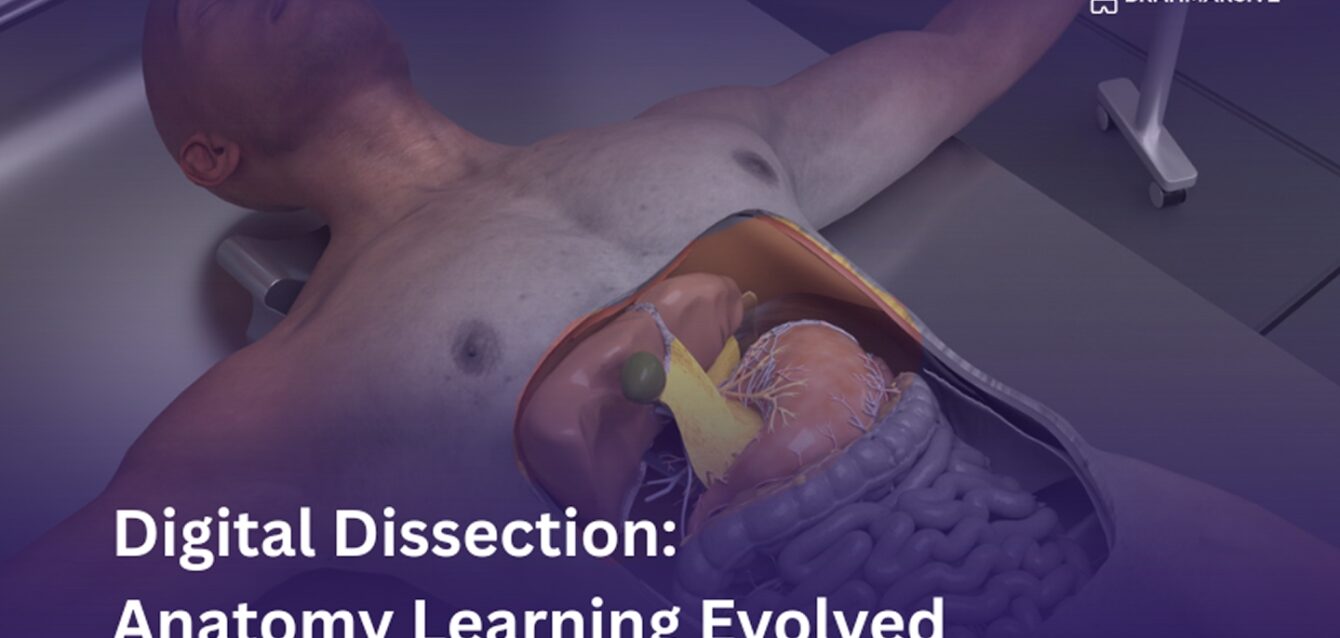
Meeting the Growing Demand for Medical Education: Brahmarsive’s Digital Cadavers – Bridging the Gap?
The field of medical education stands at a crucial juncture. The increasing need for skilled healthcare professionals worldwide is bumping up against the limitations of traditional anatomical learning methods. For generations, the dissection lab, with its hands-on experience, has been central…

How Can VR Make Specialized Training in Pediatric Care More Effective?
In a country as diverse and populous as India, ensuring top-notch pediatric care is both a challenge and a necessity. With over 39% of India’s population under the age of 18, specialized pediatric training for healthcare professionals is crucial. Virtual Reality…

How AR and VR in Healthcare Can Help with Neurosurgery
Neurosurgery plays a critical role in treating some of the most complex and life-threatening conditions, such as brain tumors, spinal disorders, and traumatic injuries. These procedures not only aim to save lives but also to preserve and restore essential functions, such…
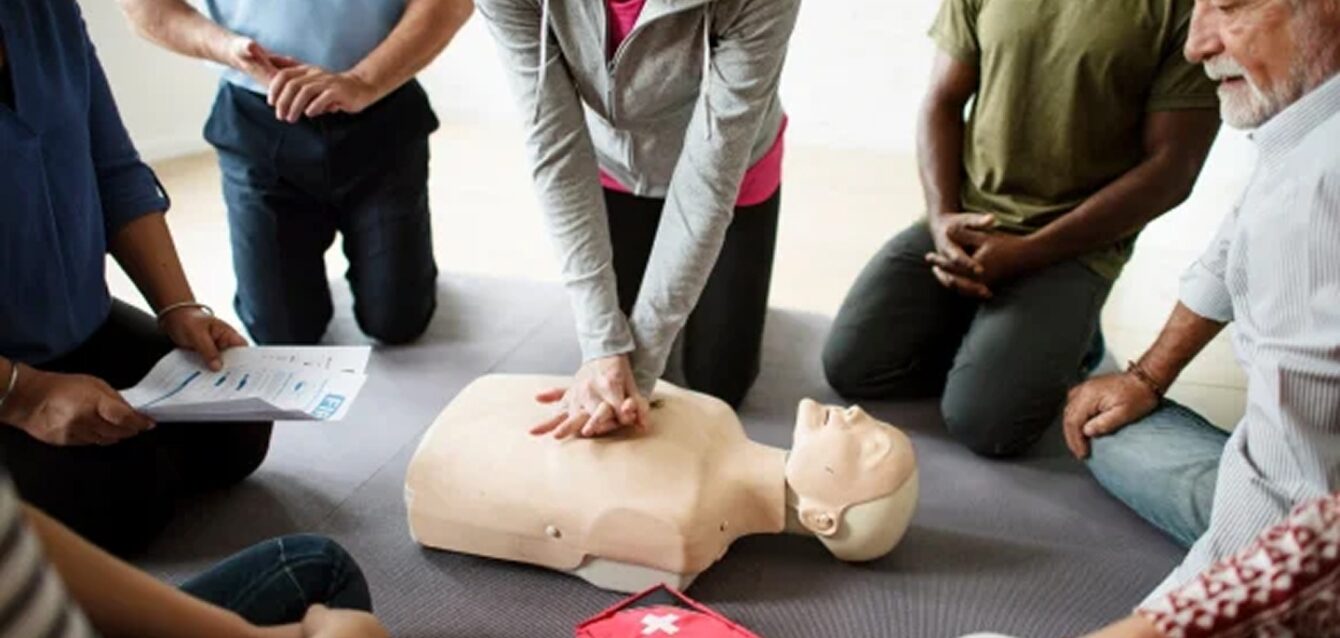
How AR and VR Can Help with Cardiology
Augmented Reality (AR) and Virtual Reality (VR) are changing healthcare, offering new ways to visualize, diagnose, and treat diseases. In cardiology, where precision and real-time data are critical, these technologies have the potential to redefine patient care and outcomes. Their adoption…
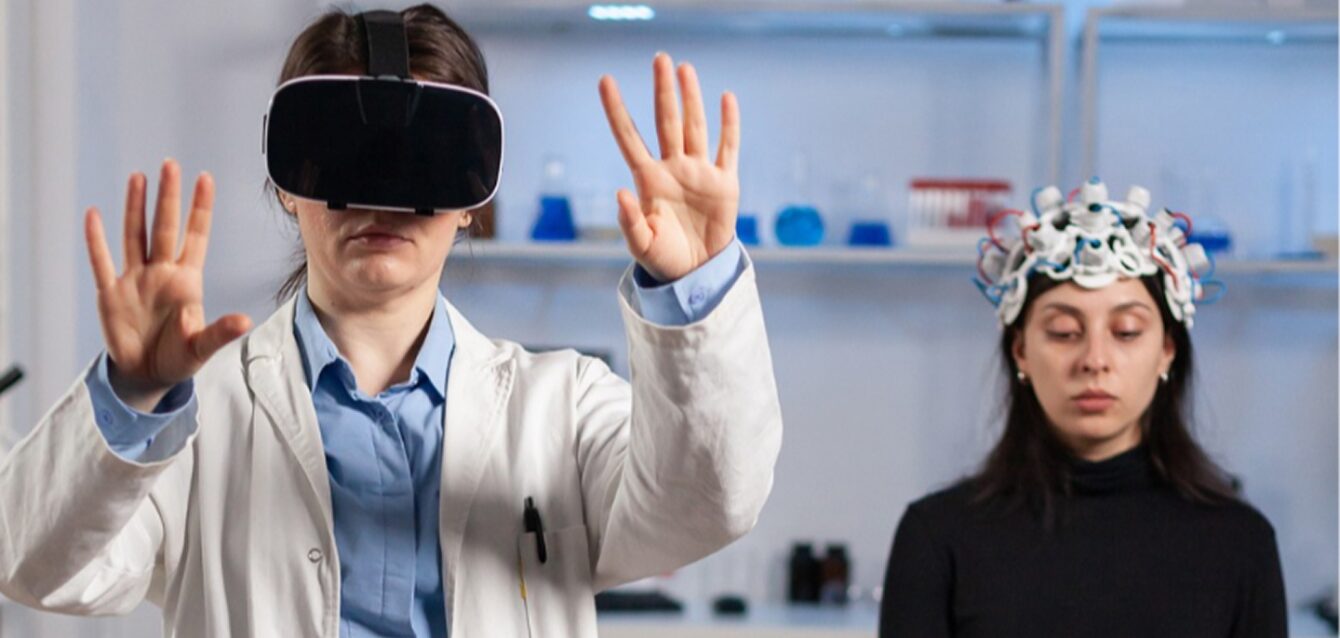
Can AR and VR Change How Doctors and Patients Interact?
The world of healthcare is changing rapidly, and we’re at the brink of something extraordinary. Among the many game-changing innovations, Augmented reality in healthcare and virtual reality (VR) in medicine are two technologies stealing the spotlight. But what do these technologies…
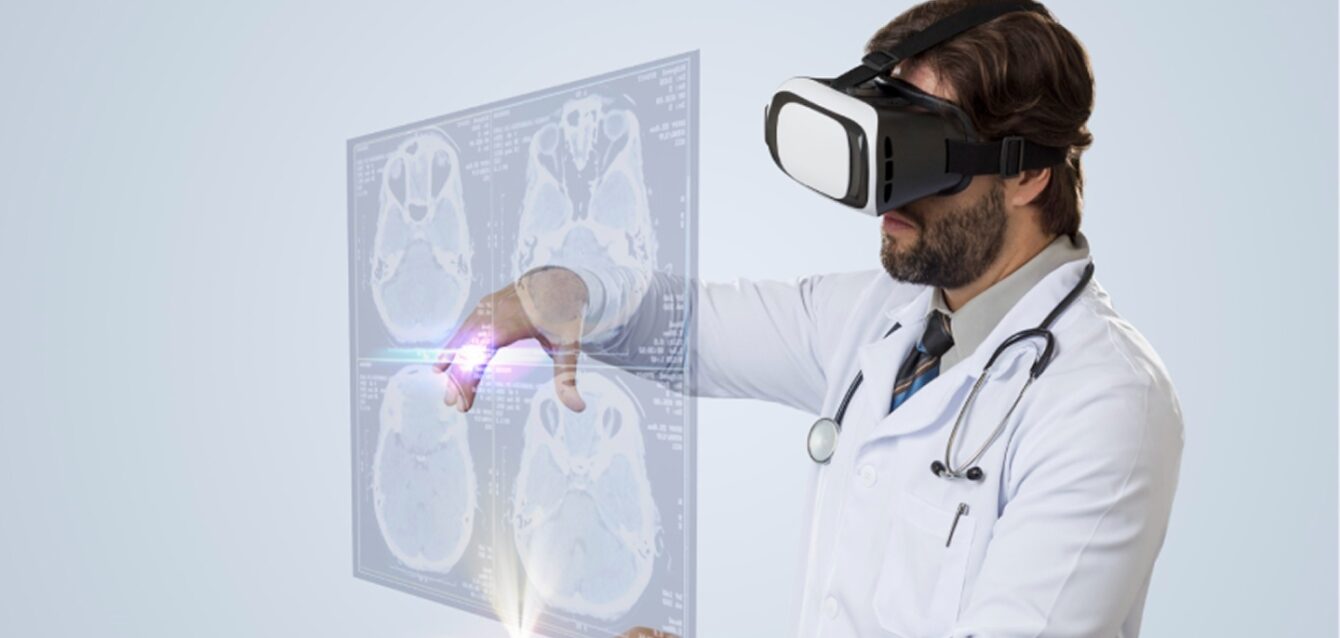
How Digital Cadavers Improve Radiologic Anatomy Understanding
This blog post highlights how digital cadavers revolutionize radiologic anatomy education.